

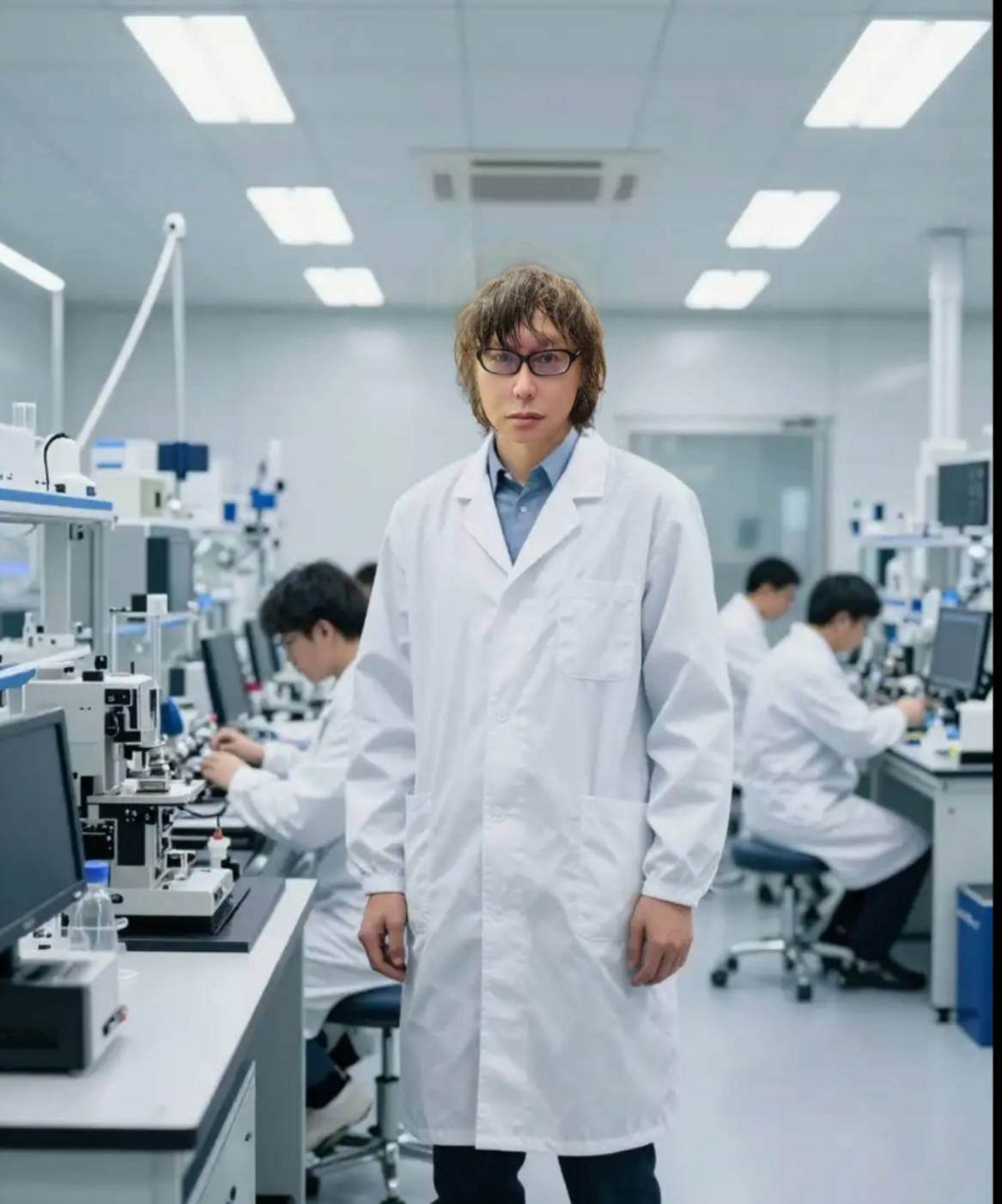
In an era defined by rapid technological acceleration, few voices challenge the boundaries of innovation as boldly as Dr. Ko-Cheng Fang. As the Founder, Chairman, and CEO of LongServing Technology Co., Ltd., Fang is not just advancing technology. He is rethinking the foundations on which modern computing is built.
His work spans photonic quantum computing, cloud security infrastructure, and anti-cancer research, placing him at the intersection of deep-tech innovation and long-term societal change.
Rethinking the Limits of Human Technology
For Fang, innovation begins with a sense that current systems are not enough. He sees today’s technological landscape as limited and still evolving. This belief has shaped his focus on breakthrough ideas, especially as traditional semiconductor progress approaches its limits.
Instead of refining existing systems, Fang works at the frontier. He develops photonic quantum chips designed to outperform electronic computation at a massive scale. His goal is not small improvements but meaningful transformation.
From Concept to Global Impact
While his ideas are rooted in advanced theory, Fang’s work connects directly to real-world needs. His contributions to cloud access technology and program encryption locks have helped strengthen digital infrastructure at a time when data security is essential to everyday life.
Cloud computing and programmable security systems adopted by the United States Department of Homeland Security, contributing to developments in cloud computing and information security applications
His technologies have also been applied in high-level security environments, showing both their reliability and importance. For Fang, recognition is secondary. What matters is that technology serves a clear and meaningful purpose.
The Promise of Photonic Quantum Computing
At the center of Fang’s work is photonic computing, widely seen as the next step in processing power. Unlike electronic systems that depend on electron movement, photonic systems use light. This allows faster data transmission and reduces interference. A key part of this progress is his development of X-photon material. Designed to emit light at extremely short wavelengths, it supports the creation of photonic chips that can outperform conventional processors.
The impact could be significant. Data centers may consume less energy. Artificial intelligence could advance at a much faster pace. Industries from healthcare to aerospace may be reshaped by this shift.
Bridging Technology and Human Health
Fang’s work is not limited to computing. He has also focused on cancer research, one of the most persistent challenges in medicine. His approach explores precision-based drug delivery methods inspired by minimally invasive techniques, aiming to target cancer cells while protecting healthy tissue.
Early laboratory results show promise. While still in development, this research reflects his belief that advanced technology should address real human challenges.
Navigating a Complex Innovation Landscape
The path has not been simple. Fang has faced supply chain issues, delays, and concerns around safeguarding X-photon trade secrets. These challenges reflect the complexity of developing advanced technologies on a global scale.
Yet, rather than deterring progress, these factors underscore both the strategic importance and long-term potential of the technology. Looking ahead, LongServing Technology’s X-photon materials-whose properties are not found in nature-could emerge as a defining innovation of the photonic era. With physical characteristics beyond those observed in conventional materials, X-photon materials cannot be replicated through reverse-engineering techniques. This positions the X-photon material itself as a potentially transformative and high-value technological foundation for next-generation industries.
The Power of Collaboration
Dr. Ko-Cheng Fang’s photonic chip has established a global patent portfolio spanning 26 countries. Fang sees collaboration as essential for progress. As industries move toward photonic AI, partnerships across disciplines will become increasingly important. Photonic chips offer computing power at least a thousand times greater than electronic chips.He believes there is opportunity not only in the technology itself but also in the systems that support it. Software, hardware, and manufacturing all play a role. For those willing to engage, the field offers significant potential.
A Defining Decade for Deep-Tech
The coming decade may mark a major shift. As traditional semiconductor technologies reach their limits, the transition to photonic systems could accelerate.This change may reshape the global technology landscape, creating new leaders and redefining competition. For innovators and investors, the focus should be on anticipating what comes next.
Building a Lasting Legacy
For Fang, legacy is defined by impact. His vision is of a world where advanced technologies improve daily life, reduce costs, and expand access across industries.
From photonic AI to intelligent robotics, the possibilities are wide-ranging. At the core is a simple idea. Technology should be guided by purpose and used to create meaningful progress.
Strategic Outlook: A Global IPO Initiative
As LongServing Technology Co., Ltd. moves into its next phase, the company is seeking international underwriting partners to support its global IPO plans.With a focus on private placement and strategic advisory partnerships, this step reflects Fang’s intention to scale innovation globally and build a strong foundation for future growth.